
Discover valuable insights about ticks as the weather warms up in Denver and learn how to protect yourself from these tiny yet harmful pests.Ticks, thos...
Discover valuable insights about ticks as the weather warms up in Denver and learn how to protect yourself from these tiny yet harmful pests.
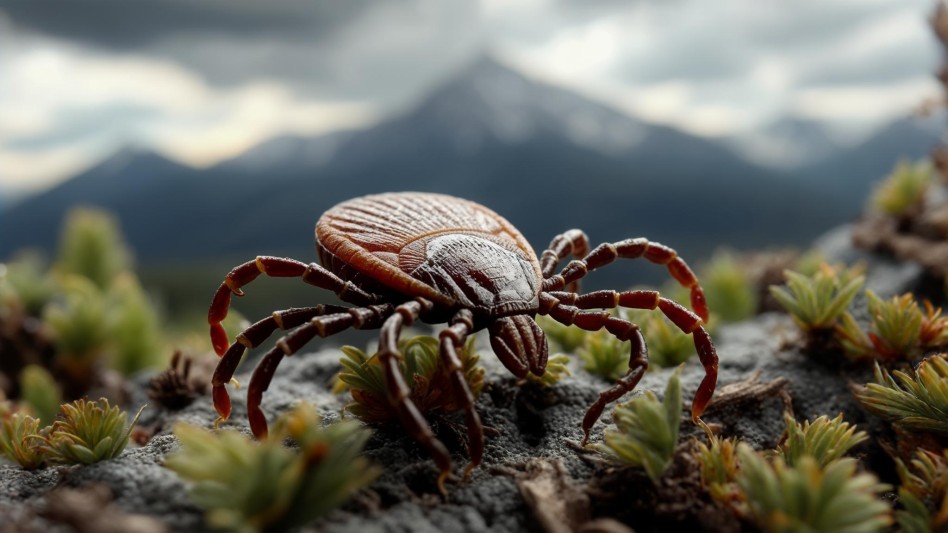
Ticks, those almost invisible creatures, pose a significant threat when they attach themselves to you or your furry companions. With Colorado experiencing a warm and dry winter, these bloodsuckers are more active than ever.
Understanding Tick Activity in Denver
Colorado Biology Professor Robert Hancock sheds light on the misconceptions surrounding tick behavior in the warmer months. April and May mark the peak tick activity period in Denver, a phenomenon not uncommon in the region.
The Impact of Weather on Tick Population
Environmental conditions, especially soil temperature and humidity, play a crucial role in tick behavior. While warmer winters can influence tick activity, survival rates can vary. The intricate relationship between weather patterns and tick populations is a topic of ongoing research.
Protecting Yourself and Your Pets
To mitigate the risk of tick exposure, Professor Hancock recommends practical steps for both individuals and their pets:
- Wear light-colored clothing for easy tick detection.
- Cover up with long sleeves and pants, ensuring pants are tucked into socks.
- Apply permethrin spray to deter ticks.
- Consider tick collars and shampoos for your pets.
Wildlife Influence on Tick Population
Wildlife, such as small mammals abundant in Denver, can contribute to tick numbers. Understanding these interactions is essential in managing tick populations and reducing exposure risks.
Staying Vigilant and Seeking Help
After outdoor activities, thorough tick checks are crucial for both humans and pets. Any signs of tick bites or related symptoms should prompt immediate medical attention. Awareness and prevention are key in navigating changing weather patterns and ecosystems.
Exploring Biology at MSU Denver
Delve into the world of Biology at Metropolitan State University of Denver to expand your knowledge on environmental interactions and wildlife behavior.
Source of the article: red.msudenver.edu